Creatures of the Kelp Forest: A Closer Look at British Columbia's Underwater Jungle
Just below the surface of British Columbia’s coastal waters, there’s a whole other world waiting to be explored. Giant strands of golden kelp create an underwater forest that’s full of life. Paddling along the Canadian coastline is an opportunity to peek into a wild and lush ecosystem.
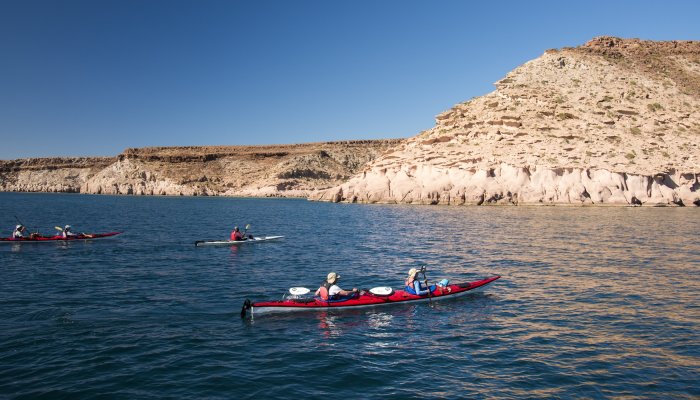
Our sea kayaking tours give you a front-row seat to this incredible environment. Gliding over the water's surface, you’ll spot the well-known kelp forests and hopefully some of the creatures that call it home.
So, who actually calls these kelp forests home? This blog will go over some of the creatures that thrive in BC’s waters - from the big and bold to the tiny and tucked away.

Sea Otters
It’s always a treat to spot a sea otter thriving in the wild, but they’re much more than just cute. They play a huge role in the entire ecosystem's health. Sea otters are known as “ecosystem engineers,” because they help maintain the delicate balance of the kelp forest.
One of their biggest contributions is eating sea urchins. While sea urchins might look harmless, too many of them can mow down entire kelp beds, leaving behind a barren seascape. By keeping urchin populations in check, sea otters help the kelp thrive. When the kelp thrives, so does everything else that depends on it.
Spotting a raft of sea otters while kayaking is often a highlight for our guests. There's something magical about paddling past them while they float or play, sometimes with a pup nestled on their chest! And if you’re lucky, you might even catch one cracking open a clam or sea urchin. Sea otters' presence in these waters is more than just heartwarming - it’s a sign that the kelp forest is alive and well.
Rockfish
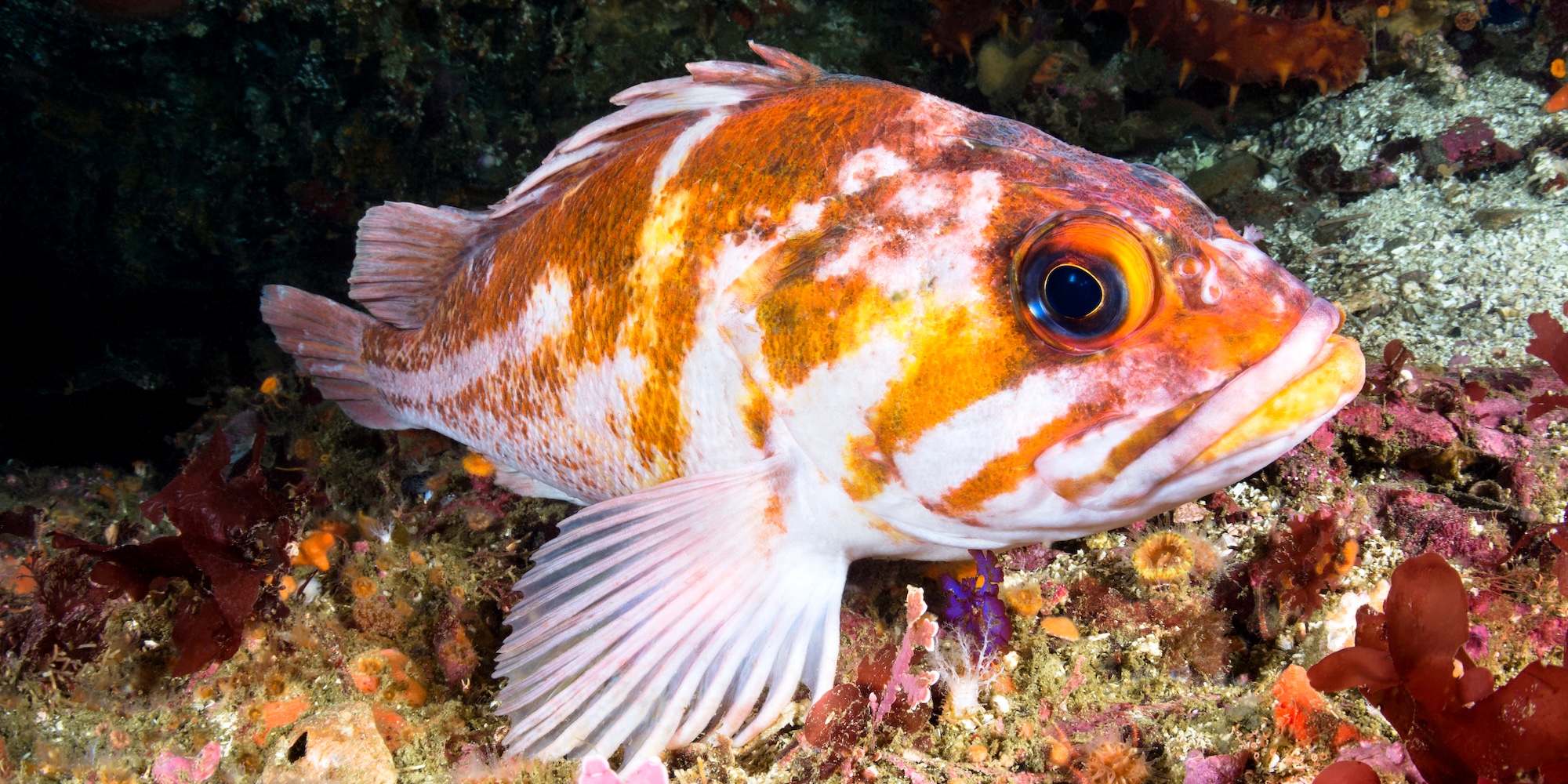
Colorful, quirky, and full of character—rockfish are some of the most eye-catching residents of the kelp forest. These come in all sorts of patterns, shades, and are a species that can live for over a hundred years!
British Columbia is home to over 30 different species of rockfish, and each one plays a unique part in this underwater ecosystem. But they’re not just fascinating to watch, they’re also pretty fragile. Rockfish grow slowly and don’t reproduce until later in life, which makes them especially vulnerable to overfishing.
You’ll often find rockfish hanging out near rocky bottoms or weaving through the kelp, blending in surprisingly well for such brightly colored fish. You’re most likely to see them when the water is clear, particularly in the protected bays we often explore on our tours. It’s a fun surprise to spot one hovering mid-water or darting around in search of a snack.
Nudibranchs
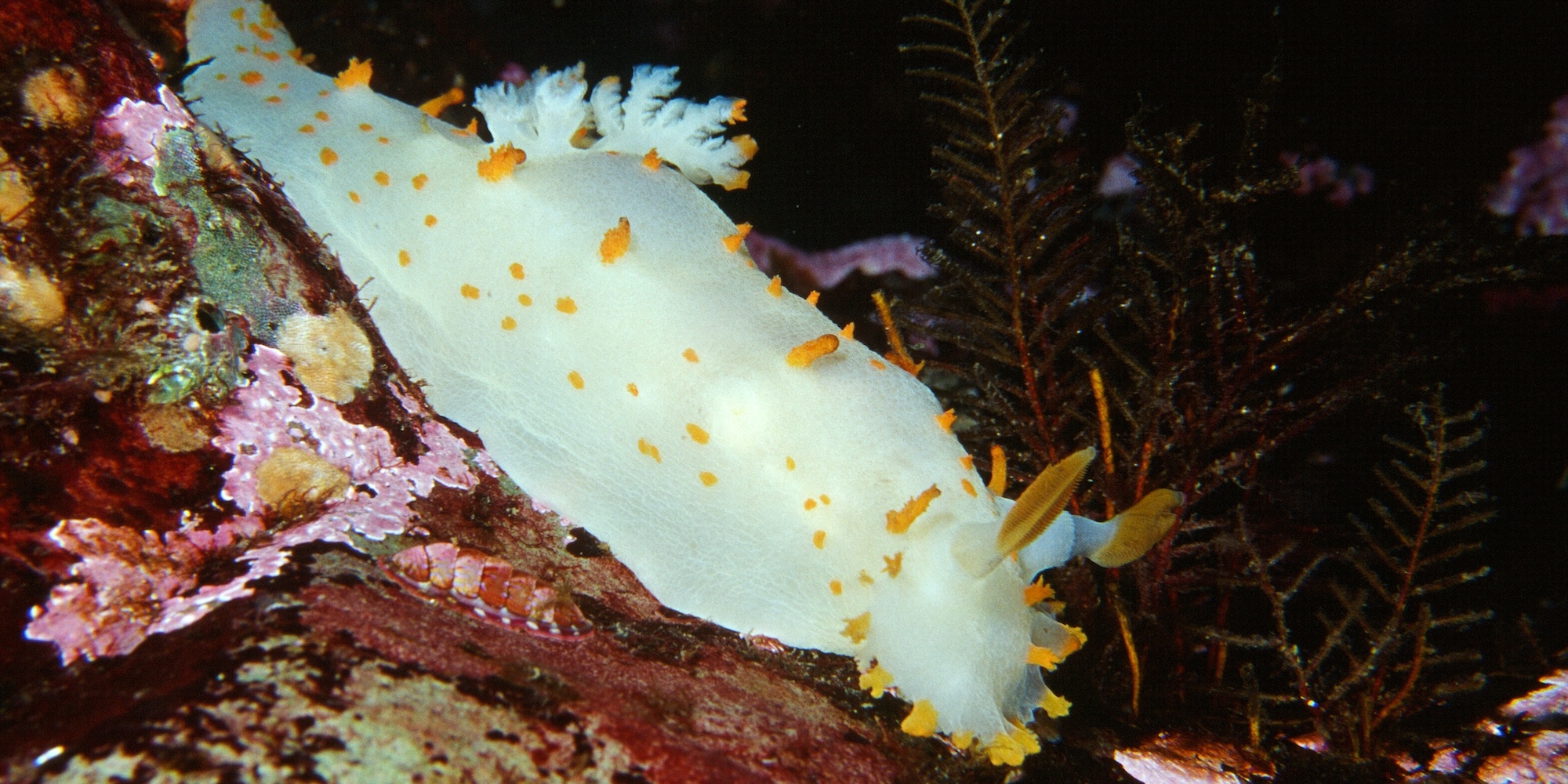
They might be small, but nudibranchs are some of the most eye-catching critters in the kelp forest. These neon-colored sea slugs come in an incredible range of shapes and colors and their wild patterns could give any tropical reef fish a run for their money.
Some nudibranchs actually feed on stinging creatures like anemones, then steal their stinging cells and use them for their own defense. Nature’s got some clever tricks up its sleeve, and nudibranchs are a perfect example.
While you won’t spot them from your kayak, they’re a highlight during low-tide walks.. If you take the time to look closely in the tidepools, you just might find one inching along a rock or hiding in plain sight.
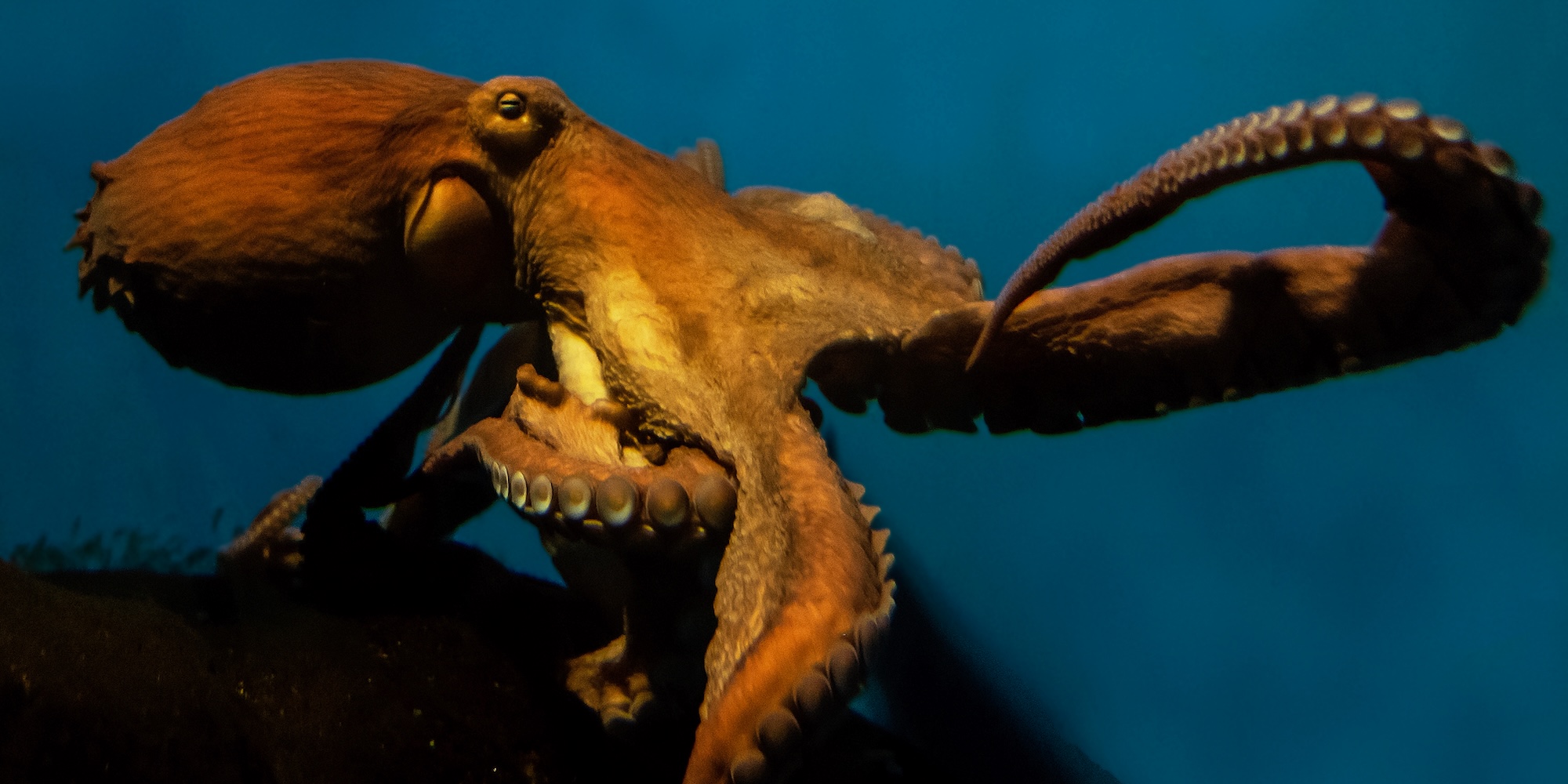
Giant Pacific Octopus
If you're lucky, and in just the right spot, you might catch a glimpse of one of the kelp forest’s most elusive residents—the Giant Pacific Octopus. These masters of disguise are experts at blending in, changing both their color and texture to match the rocks and seaweed around them. You could paddle right past one without even knowing it was there.
They’re incredibly intelligent, with the ability to unscrew jar lids, solve puzzles, and sneak up on unsuspecting crabs. Even with their impressive size and smarts, they’re surprisingly shy and usually prefer to keep to themselves.
Even though they only live for three to five years, these amazing animals play a big role in the ecosystem, helping to keep crab and mollusk populations in check. For those lucky enough to spot one in the wild, it’s one of those moments you never forget.

Kelp Crabs
These creatures scuttle along the forest floor and even climb kelp stalks in search of food. Their long legs and spiny bodies make them well-suited to navigating the shifting currents and tangled fronds of kelp. Kelp crabs are omnivores and play a part in cleaning up detritus, algae, and even the occasional dead fish, keeping the kelp ecosystem healthy.
If you're kayaking or tide pooling during your trip, you may notice these crabs clinging to the kelp with surprising dexterity. They’re not the flashiest residents of the forest, but they’re key players in the ecosystem and always fun to come across.
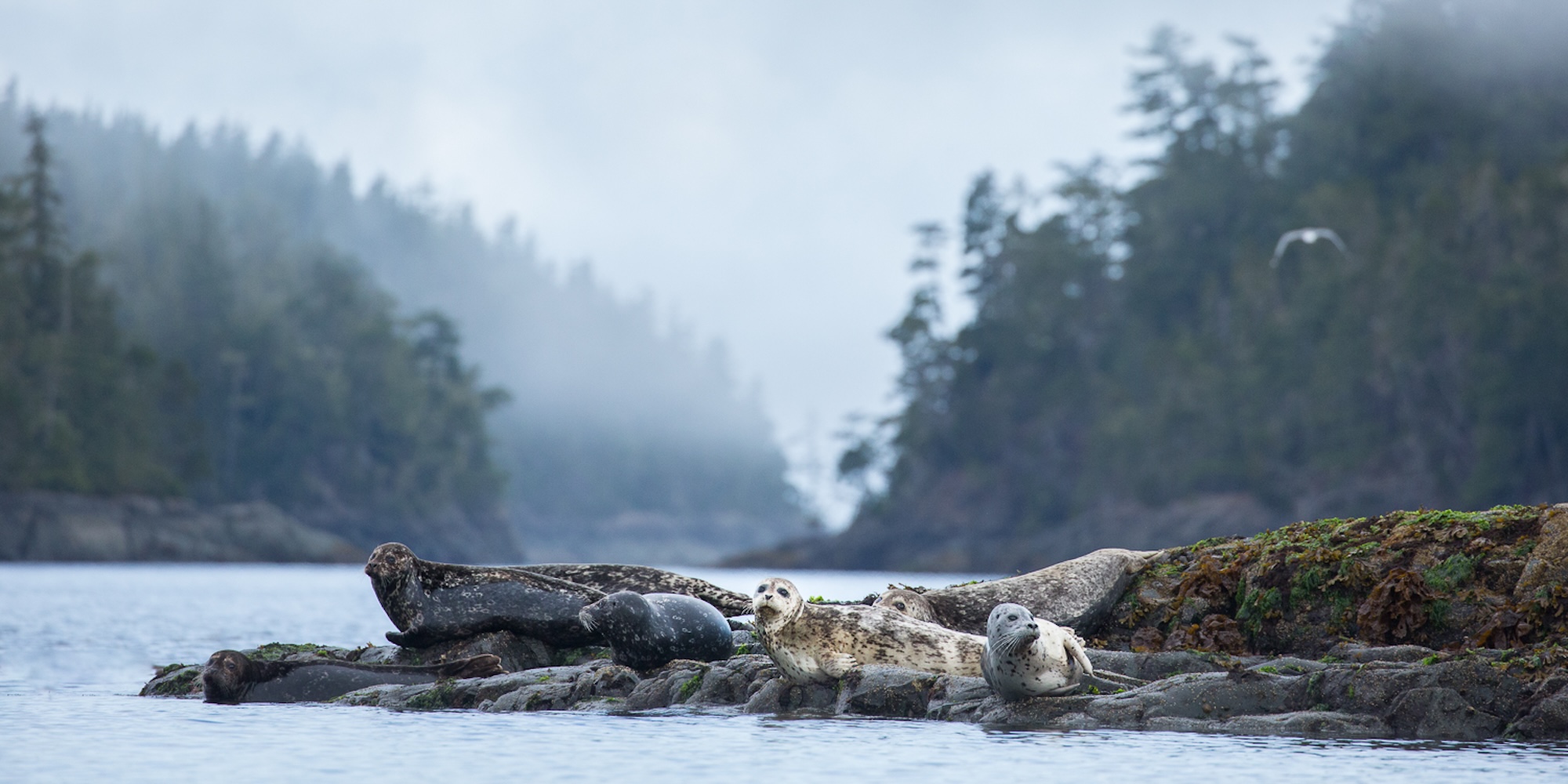
Harbor Seals
Harbor seals are some of the most familiar faces we see out on the water. You’ll often spot them stretched out on the rocks or gliding just below the surface, using the kelp forest like it’s their own private playground. These spots give them plenty of food and a safe place to rest, which is why they tend to stick around.
Every so often, one will pop up nearby with those big, curious eyes, quietly checking out who’s passing through. It’s always a special moment when a seal surfaces beside your kayak.
They’re naturally a bit shy, but harbor seals are also inquisitive by nature. Every now and then, one will swim over to check us out. When that happens, we keep our distance and let them lead the interaction. It’s all about creating a safe, respectful space where wildlife feels undisturbed. These quiet moments of connection are a beautiful reminder of what makes traveling through wild places like British Columbia so special.
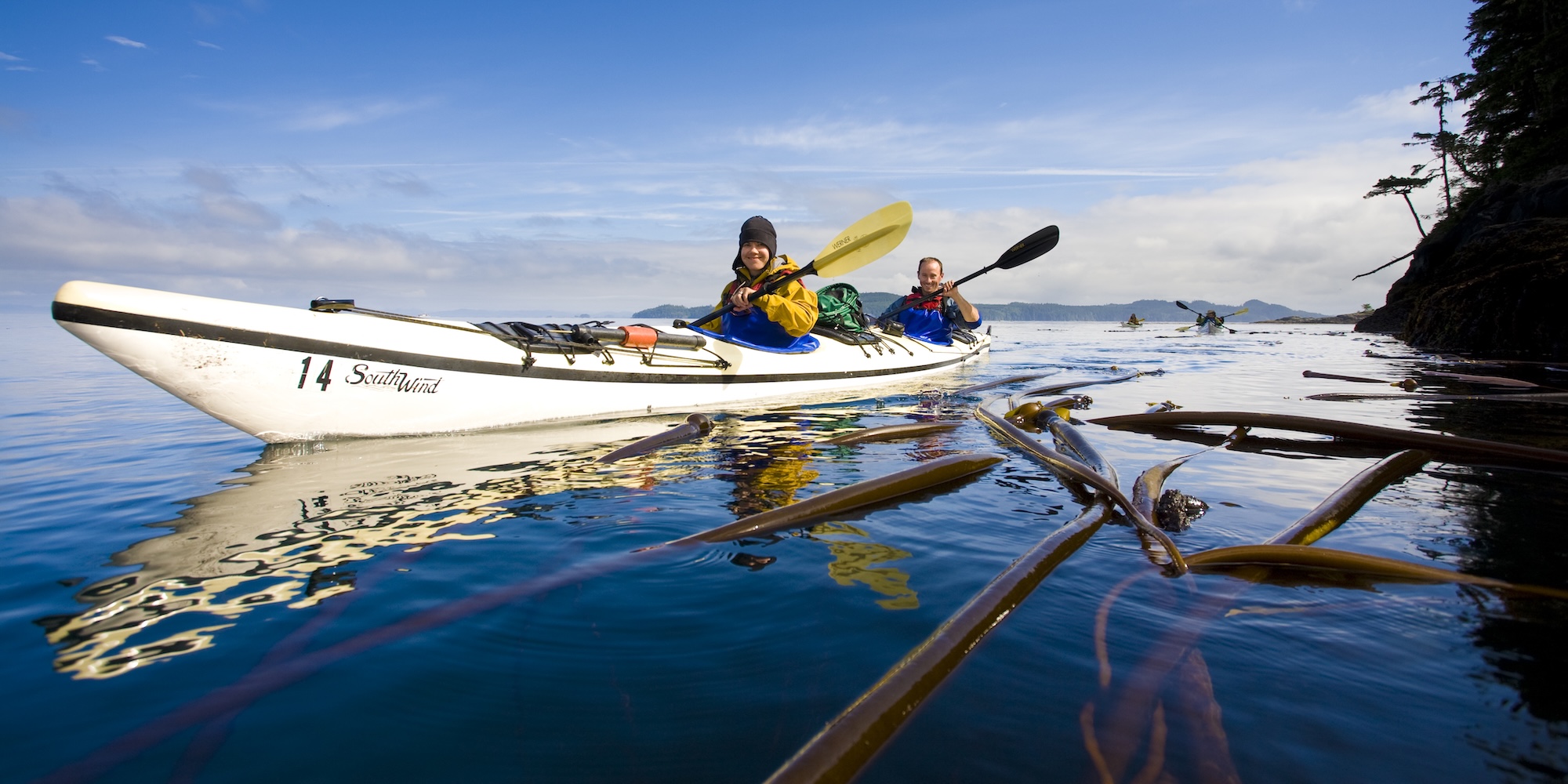
Kayaking Sustainably in Kelp Forests
Exploring British Columbia’s kelp forests by kayak is an unforgettable experience, but it’s also a responsibility. These underwater ecosystems are rich, delicate, and deeply interconnected with the creatures that call them home.
Our tours are designed with their protection in mind. Small group sizes, respectful wildlife practices, and Leave No Trace principles help minimize our impact while creating connections with the natural world.
Having guides who don’t just point out wildlife, but instead share the bigger picture allow for a more meaningful travel experience. You’ll learn more about how sea otters shape the forest, how rockfish rely on its shelter, and why even the tiniest creatures matter.
Traveling quietly, paddling mindfully, and staying curious turns each trip into more than just an adventure. It becomes a way to engage with and understand the environment you’re passing through.
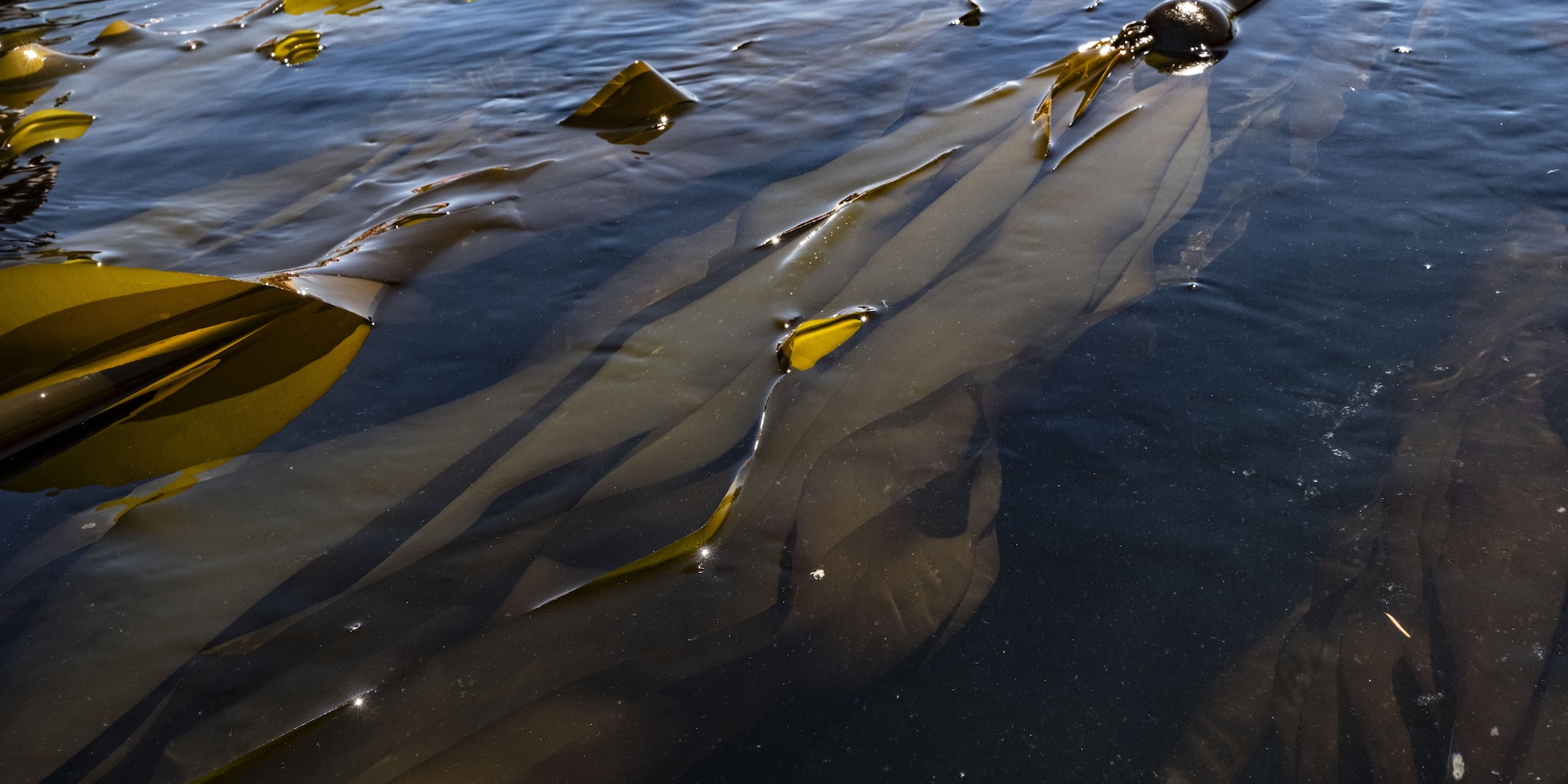
The Forest Beneath the Waves
Kelp forests are more than just a backdrop for wildlife, they’re essential for protecting our ocean and planet. These underwater forests act as carbon sinks, soaking up carbon dioxide and helping reduce the impacts of climate change. They also buffer shorelines from erosion and serve as vital nurseries and feeding grounds for a huge range of marine animals.
The health of species like rockfish, sea otters, and harbor seals depends on the health of the kelp. And when we paddle through these waters with respect, we help protect the very ecosystems that make encounters with these animals possible.
So the next time you glide over a golden kelp bed, remember: you’re moving through a living forest, home to countless creatures and your presence matters.