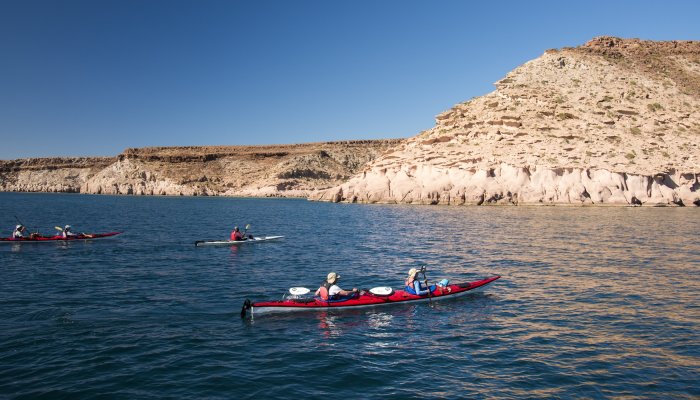
Packing for a Patagonia Ecocamping & Kayaking Adventure
Packing for a trip to Patagonia is all about versatility, preparation, and practicality. If you're joining us on our Patagonia EcoCamp & Kayaking Adventure, you’ll hike through Torres del Paine’s iconic valleys, paddle alongside glaciers, and sleep under the stars in some of the most remote and beautiful landscapes on Earth. While you begin dreaming about the amazing activities you’ll have the chance to explore, it’s important to remember that your experience will be shaped not only by what you do, but how well you prepare for it.
This isn’t a destination where you can rely on perfect weather or predictable conditions. Patagonia is famously wild and changeable, with sun, wind, rain, and snow all possible in a single afternoon. What you pack will have a direct impact on your comfort, safety, and enjoyment. In this blog post, we’ll be discussing how to do it right.
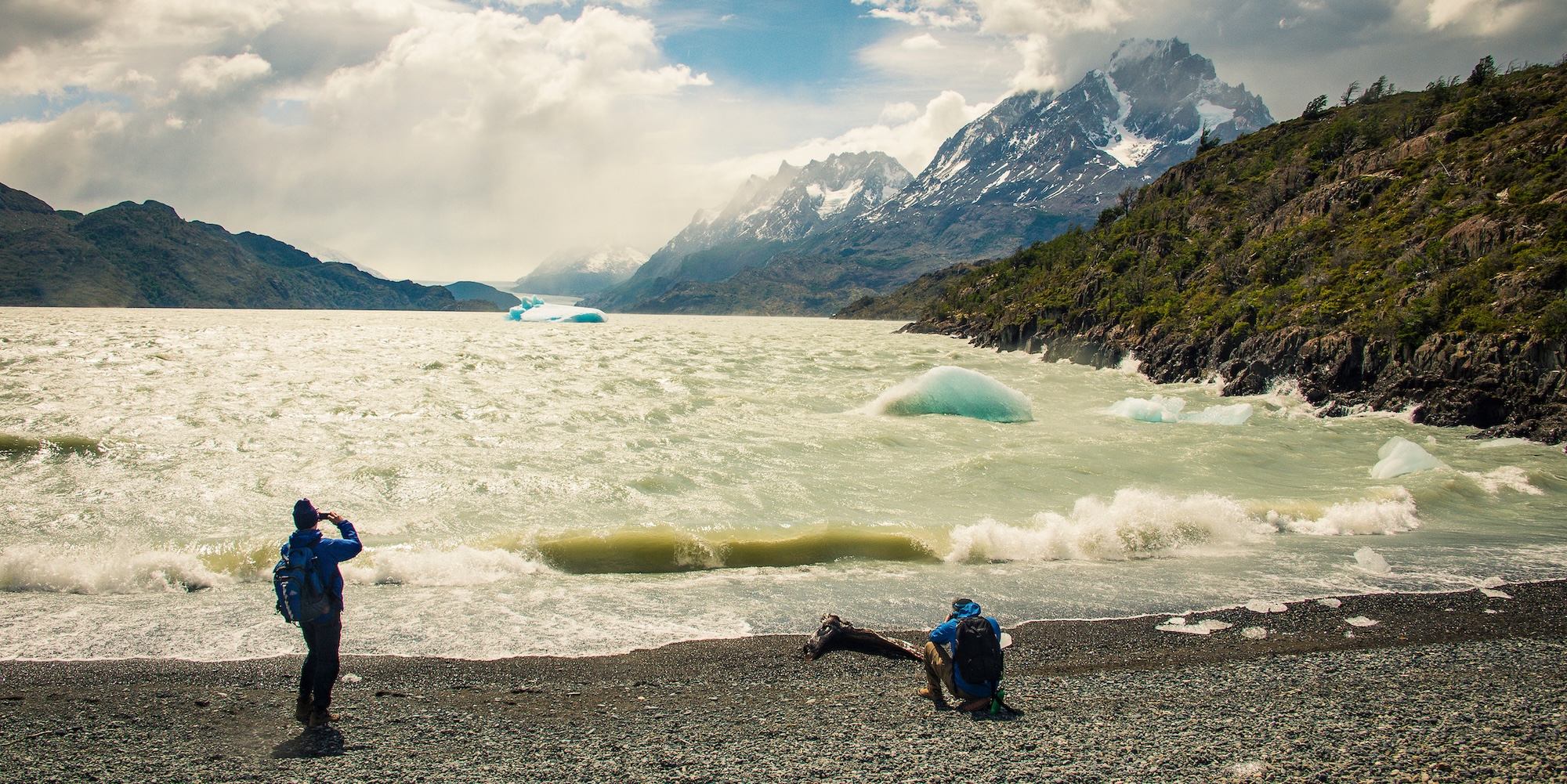
Understanding the Weather
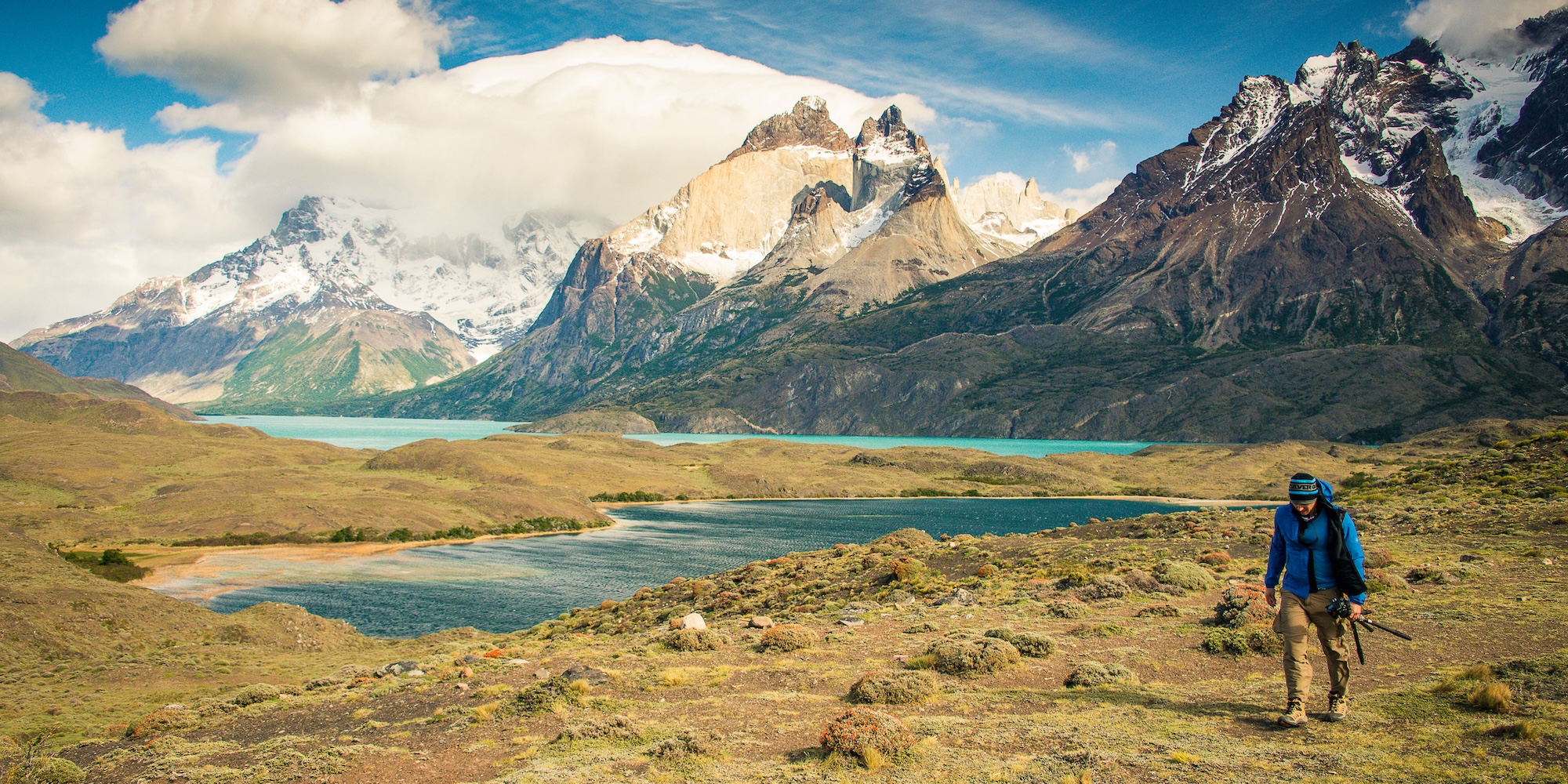
Patagonia’s weather is part of what makes it so memorable. It’s also one of the biggest packing challenges. Average daytime temperatures range from the mid-40s to low 60s Fahrenheit. Nights can be colder, especially when camping near rivers or glaciers. Wind is known to be a constant presence, and rain is always a possibility.
The key to staying comfortable in Patagonia is dressing in layers. Each layer has a job - wicking moisture, trapping warmth, and shielding you from wind or water. You’ll want to be able to add or remove layers depending on the day’s conditions and your level of activity.
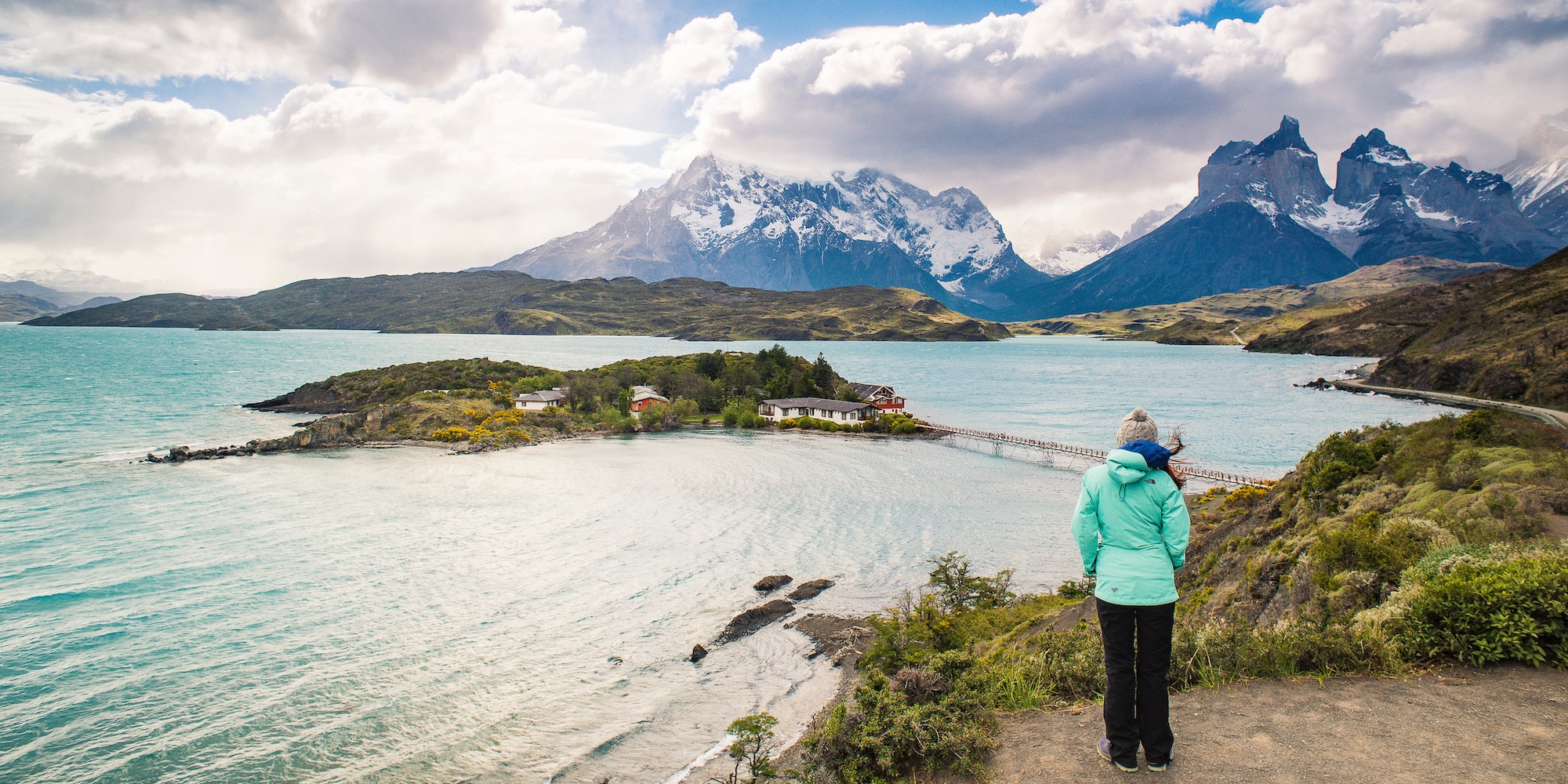
Clothing Essentials for Patagonia
Start with a waterproof, breathable rain jacket. This will be your best friend when the rain or the wind picks up.
An insulating coat like a down or synthetic puffy jacket is an important layer to stay warm during early mornings, glacier visits, and evenings around camp.
Lightweight base layers made of moisture wicking materials such as merino wool or synthetic fabrics help regulate body temperature and keep you dry when you're on the move. Opting for a synthetic or wool material instead of a cotton material is always something to consider. Cotton will maintain its temperature when wet, while synthetic and wool will stay warm. Double check your layers before you leave home to ensure that you’re bringing the correct materials for your Patagonia adventure!
A midweight fleece or synthetic jacket gives you an extra layer for warmth and pairs well under your rain shell.
Comfortable, waterproof hiking boots are critical. Trails can be muddy, rocky, or wet, and you’ll want comfortable boots if you plan to be on your feet for extended periods. Bring warm, synthetic or merino socks to keep your feet dry and blister-free. Avoid cotton—it holds moisture and won’t keep you warm.
A warm hat, neck gaiter or scarf, and a pair of insulated gloves are great for those windier or chillier days. You’ll also want a sun hat with a brim to protect your face during hikes or paddling in open water.
Quick-dry hiking pants and hiking shorts will both come in handy. Mornings and evenings can be cold, but you may find yourself warm in the afternoon when the sun’s out.
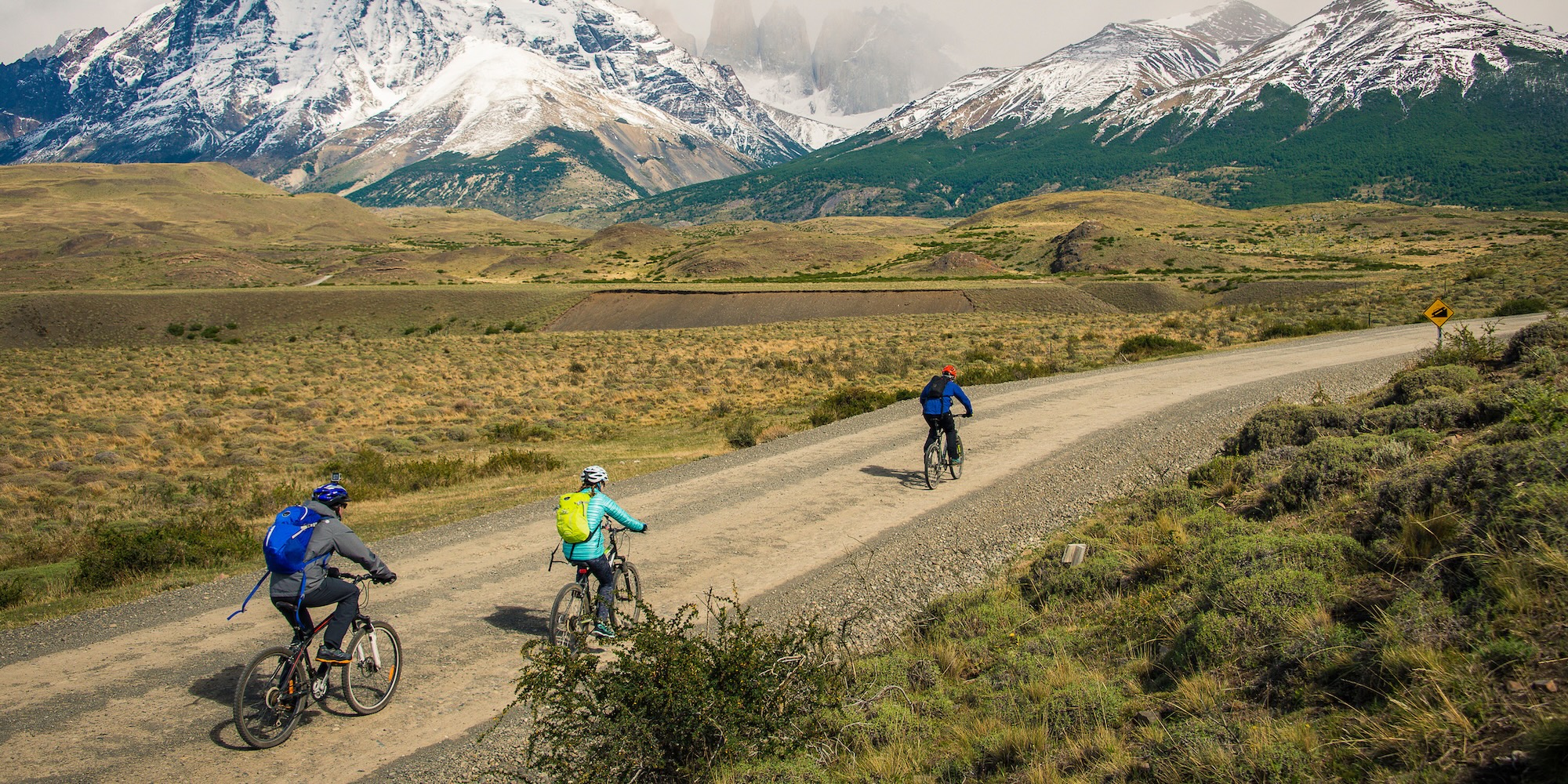
Patagonia Gear and Luggage Tips
Consider using a soft-sided duffel bag as your main piece of luggage. They can be easier to load into transport vans and also tend to fit more easily into storage spaces at camp than a hard-sided suitcase.
Pack a 20 to 30 liter daypack for daily excursions. That way, you can carry layers, snacks, water, and personal items during kayak outings, hikes, or other activities.
Bring a few small waterproof dry bags or heavy-duty ziplocks to protect electronics, documents, and anything else you don’t want to get wet.
Packing cubes are a great way to organize your clothing, especially when you're transitioning between EcoCamp, camping nights, and mountain lodges.
A small travel towel for campsite use often comes in handy. Also remember to pack biodegradable toiletries in order to minimize your environmental impact, and SPF 30+ sunscreen and lip balm for both sun and wind protection.
A headlamp or small flashlight will come in handy at camp or if you’re planning an early morning adventure.
Preparing Physically
Patagonia is known for many types of outdoor adventures. Regardless of your specific itinerary, preparing your body in advance will help you get the most out of your time in this region.
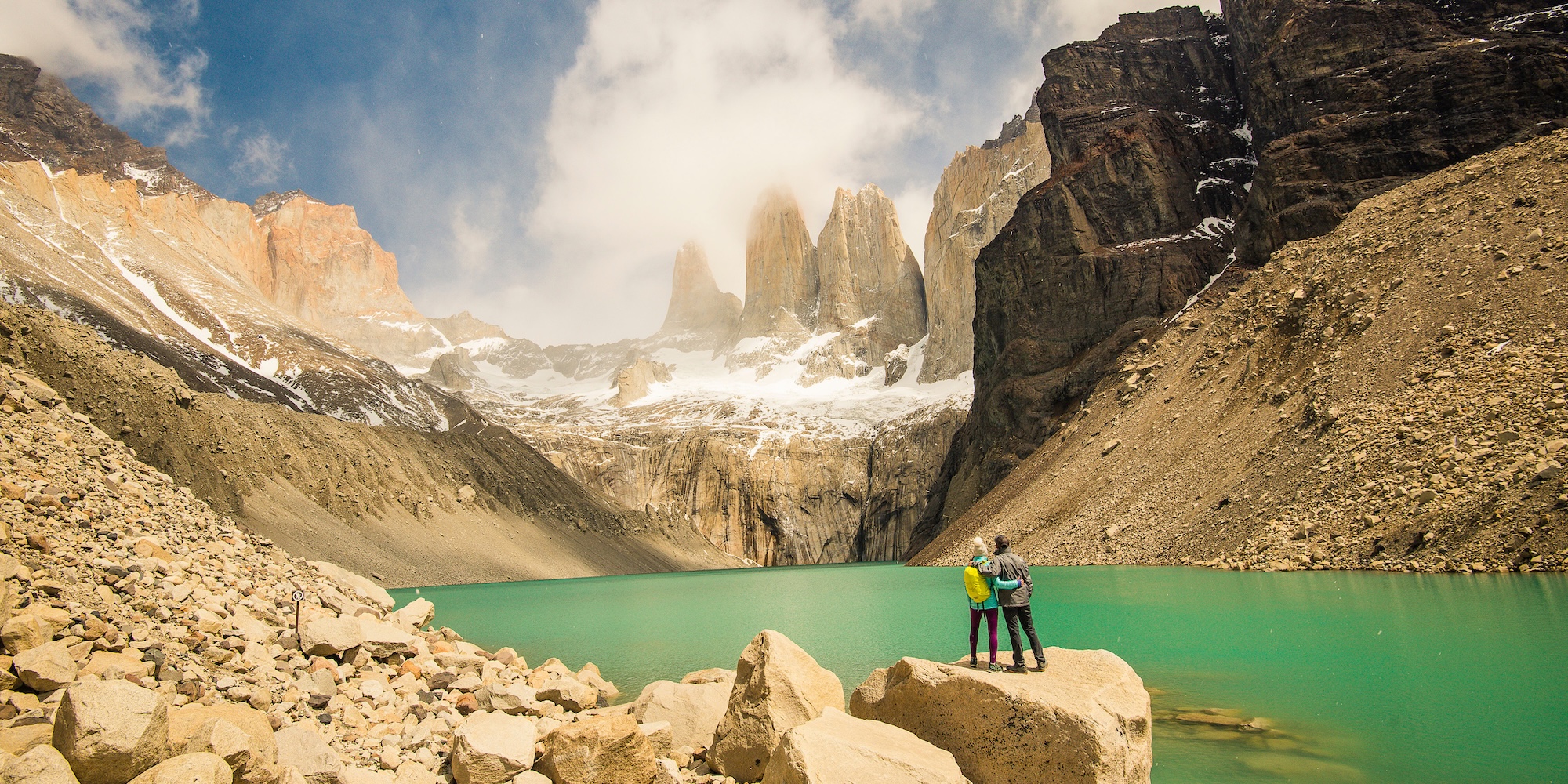
Our Patagonia adventure includes several days of hiking and paddling. While the trip isn’t technical, it is physically demanding. One of the more challenging hikes is the trek to the base of Las Torres, which spans 14 miles with a steep ascent over a rocky moraine.
To prepare, start building your cardio endurance in the months leading up to your trip. Hiking, walking, swimming, and cycling are all great options. If possible, hike with a weighted daypack wearing the same boots you’ll be bringing. This is also a great way to ensure you have the best gear before you leave home! You can even consider adding some strength training to help support long days on your feet or in the kayak.
Patagonia Trip Highlights to Keep in Mind
The variety of experiences you’ll have on this adventure is one of the best parts of the journey. If you join us, you might experience a catamaran ride across Lake Pehoé and hike into the Valle Francé, and spend your evenings at a beautiful EcoCamp where you’ll sleep in a geodesic dome with views of the Torres.
Every moment in Patagonia is a chance to connect with nature, with your fellow travelers, and with yourself. Preparing in advance and packing well allows you to stay present, focused, and comfortable no matter what each day brings.