Self-Supported vs. Panga-Supported Kayaking Trips in Baja: What to Expect
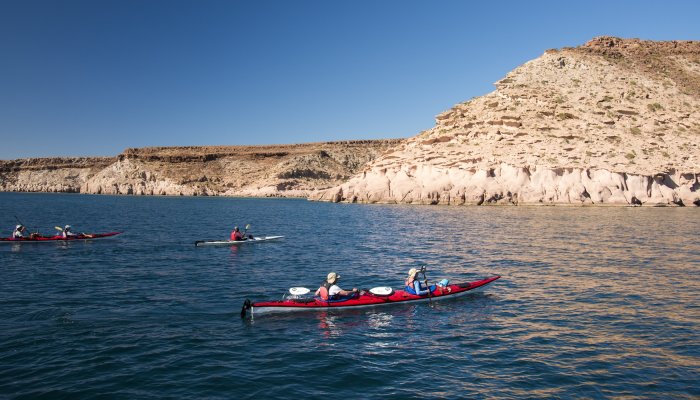
At Sea Kayak Adventures, we offer both panga-supported and self-supported kayaking trips in Baja. Both are designed to immerse you in the stunning natural beauty of this area, but the overall experience differs in a few ways.
In this post, we’ll be going over the differences between the two types of trips to help you decide what is the right option for you and make sure you know what to expect before your adventure begins.
What Do “Panga-Supported” and “Self-Supported” Mean?
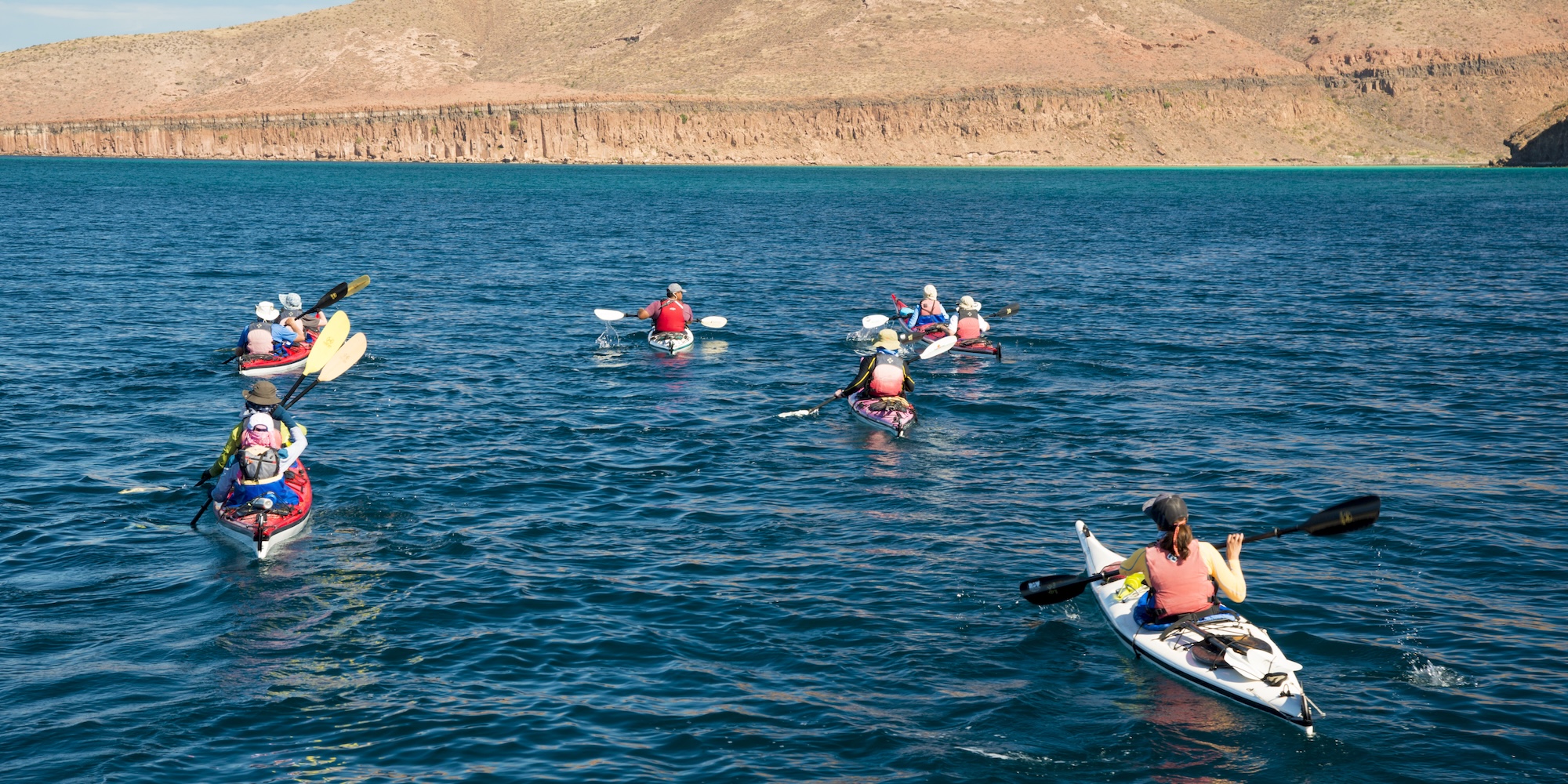
We run two styles of multi-day sea kayaking expeditions in Baja. Here's a quick breakdown:
Self-Supported Trips
On a self-supported trip, everything comes with you in the kayak. Food, water, tents, sleeping pads, and your personal gear. It all gets packed into dry bags and stowed inside the boats. This inherently creates a more physically demanding experience due to the extra weight that you're carrying around. It also means there’s not as much room for some camp comforts that our panga-supported trips have. The chairs might be a little smaller, Crazy Creek style, and you likely won’t have ice or cold drinks after day two of the trip. We'll dive into those differences a little more below.
Panga-Supported Trips
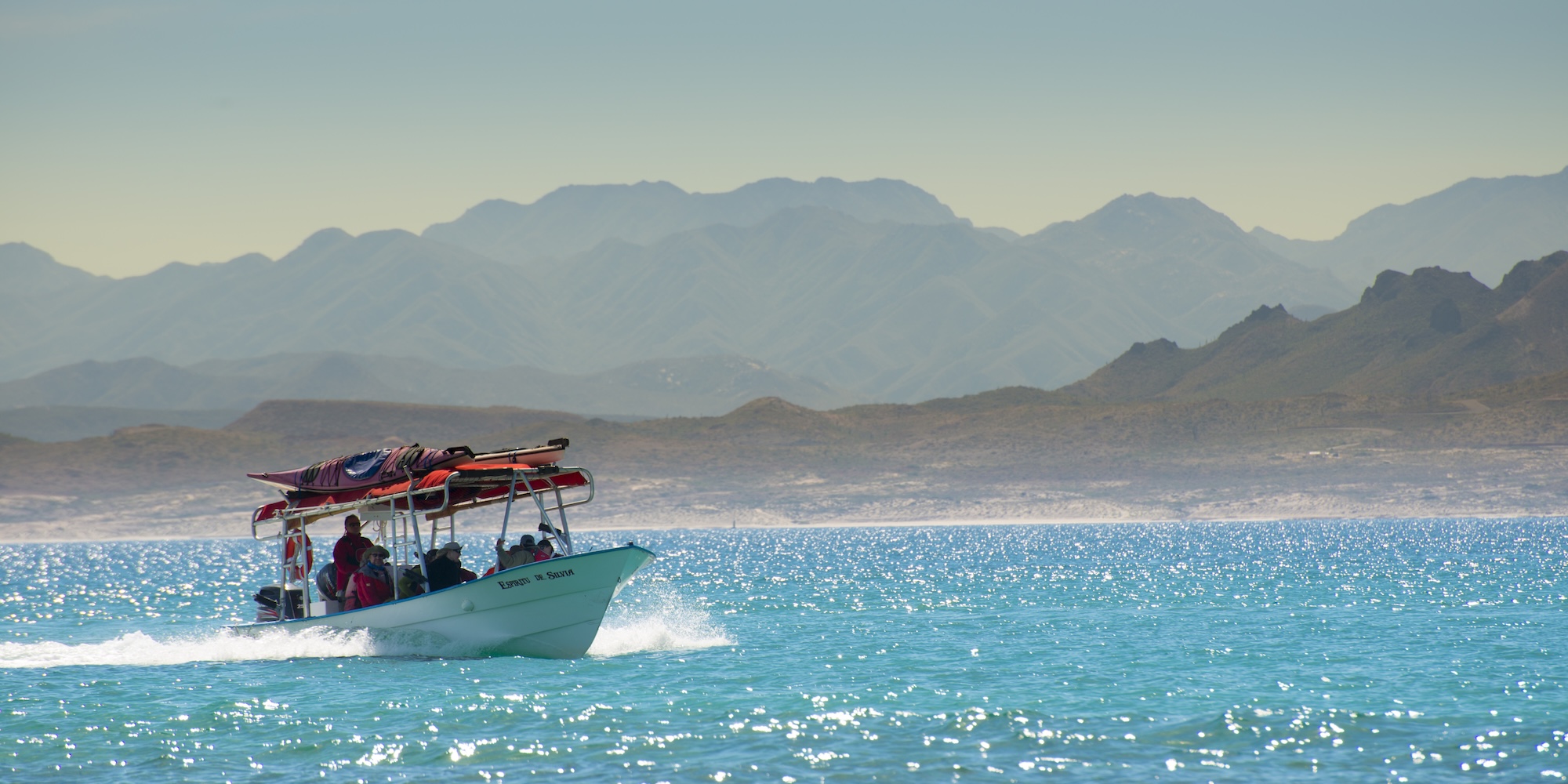
On panga-supported trips, your kayak is just for you, your day gear, and a few camping items. All the heavy stuff like tents, food, water, and your main luggage is carried in a motorized support boat (called a panga). This means your kayak is fairly light, making it easier to paddle through the waters.
Some personal camp items like your sleeping pad, sleeping bag, and pillow still travel with you in the kayak, but with the bulk of the weight in the panga, you’ll notice a difference. This setup also means you’ll have a few extra comforts at camp. Think full-sized chairs, thick sleeping pads, and even cold drinks or ice throughout the trip.
How Paddling a Heavy Kayak Feels Different
Heavier kayaks offer a different paddling experience. On self support trips, your kayak will be heavier and therefore more sluggish to start compared to kayaks on a panga support trip. Although once you’re moving, heavier kayaks actually feel more stable than a light boat. If you're joining on a self-support trip you can expect to use more physical effort, especially during the first stretch of paddling each day.
Our guides are great at coaching efficient paddling techniques and helping pace the group based on conditions and ability. If you’re a seasoned sea kayaker or have joined us on trips in the past and are looking for a new experience, this could be a great trip option for you.
Differences in Sleeping Gear, Camp Comfort & the Bathroom Setup
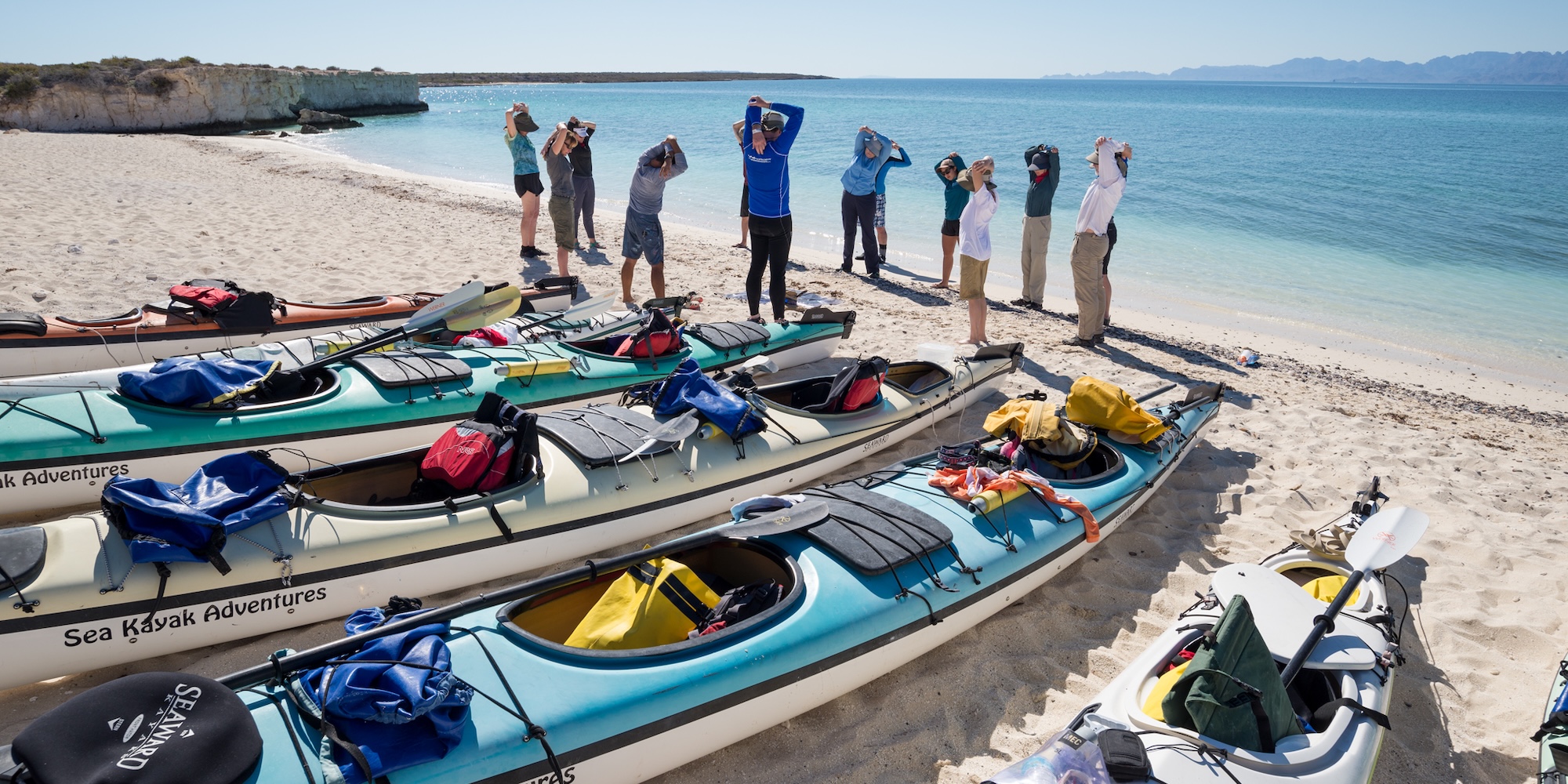
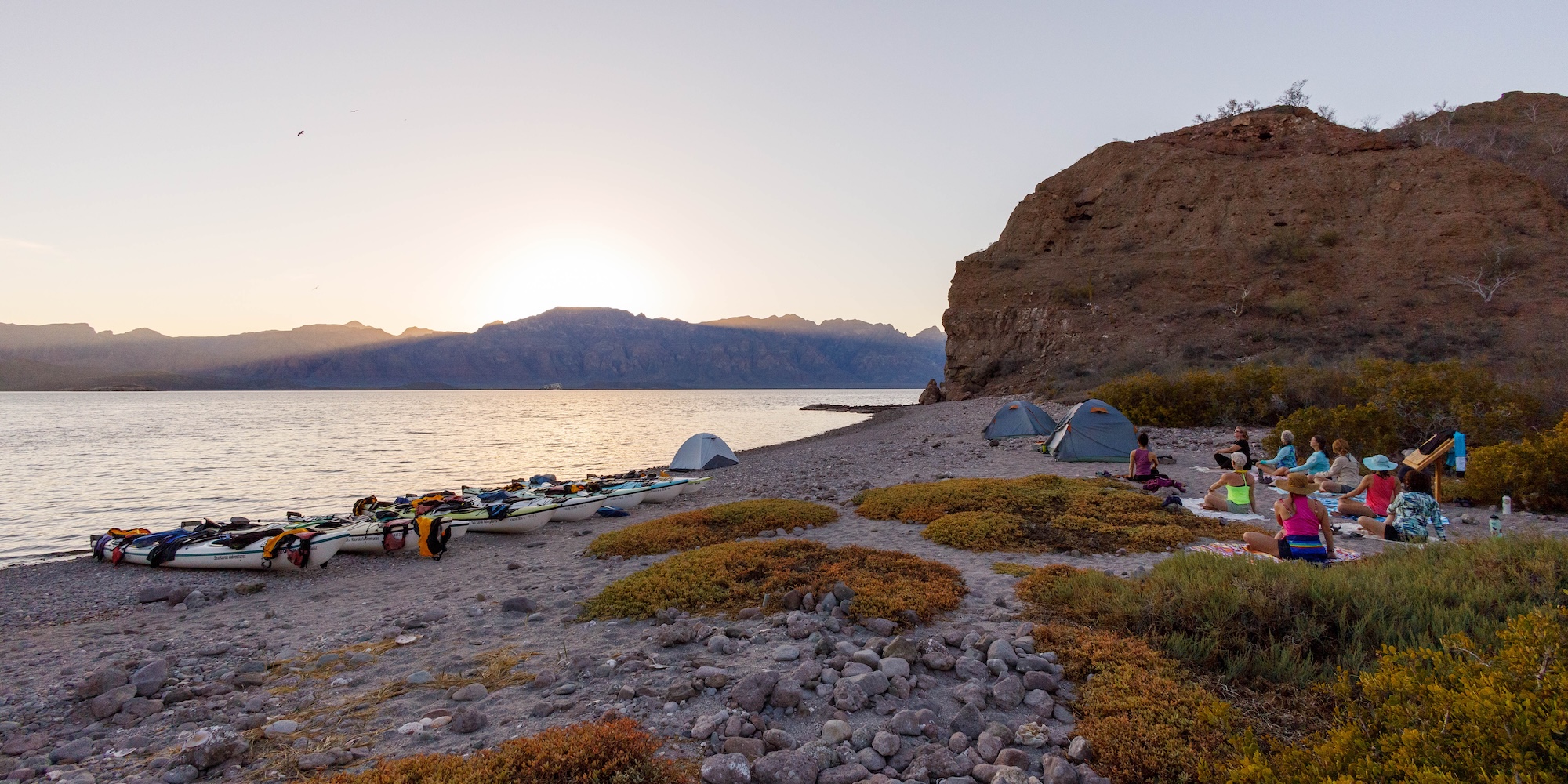
Camp on a self-supported trip is all about simplicity, and you'll find yourself without some of the ammenities that the panga-supported trips offer. You won’t be finding any full-sized chairs around the campfire, instead you’ll sit on Crazy Creek style chairs. These offer a good cushion for sitting on the beach at camp, but they do require the ability to get down to the ground and then up again. It’s simple and minimal, but still cozy after a full day of paddling.
Self-supported trips also use a baño setup that looks a little different than those on our panga-supported trips. It’s nothing too wild, but it’s lower to the ground and a bit more rustic. You'll need to be comfortable squatting down and getting up from a low position. Also, due to limited space, there are no pee buckets on the self-support trips. When nature calls, whether that’s at night or mid-day, you’ll have to walk a short distance to go on shore.
Food and Cold Drinks
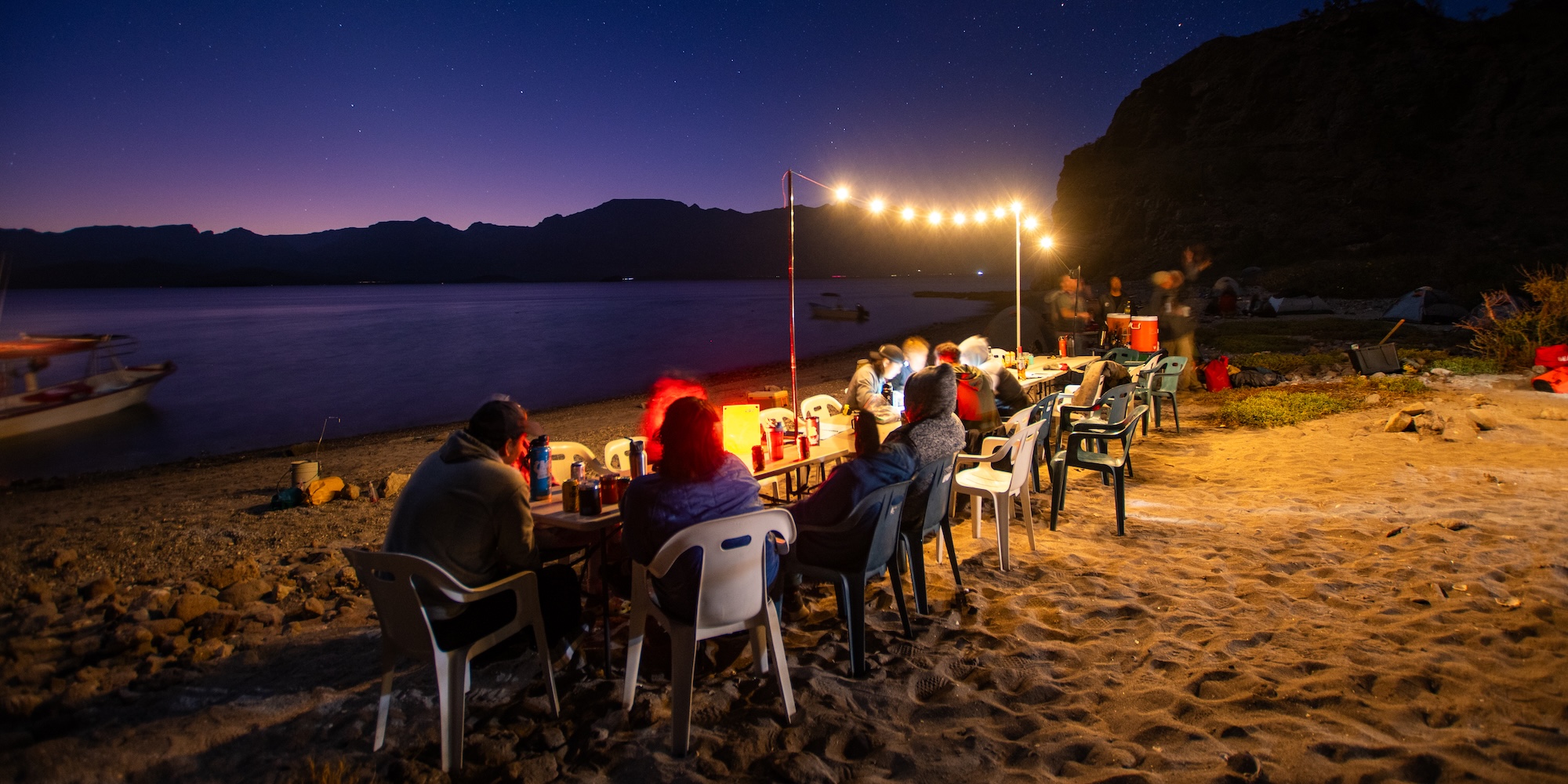
We value a good meal after a long day of kayaking, whether that's on a self-support or panga-support trip. Meals are always fresh, hearty and delicious but just a little simpler on self-supported trips. Cooler space is limited, and we lose most of our ice after a few days, so there likely won't be icy drinks or fresh produce by the end of the week.
On panga supported trips, we’re able to pack more ice, more produce, and overall have more luxuries when it comes to food and drink.
A Great Option for Couples or Small Groups
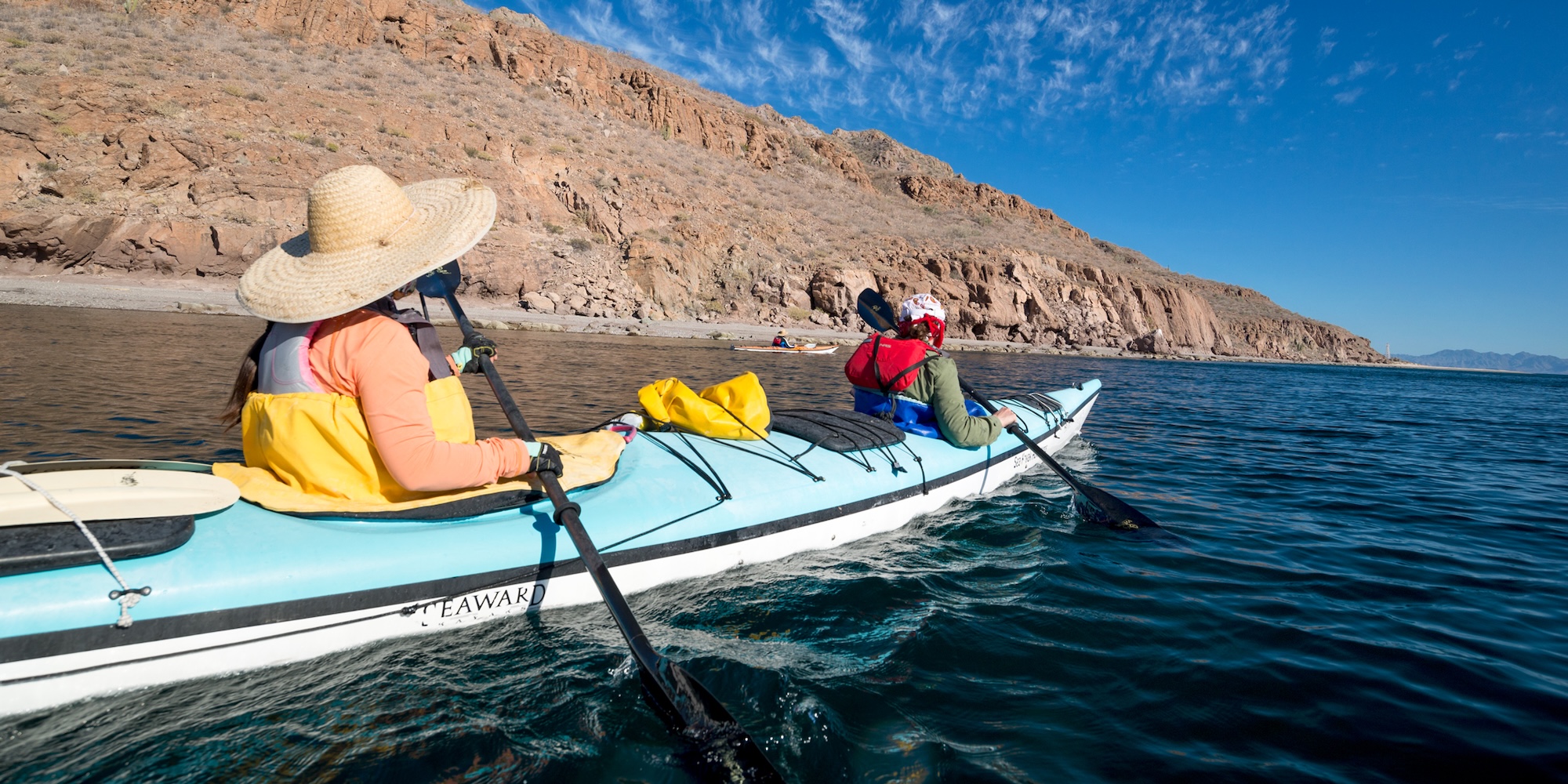
Because self-supported trips require less logistical support and no motorized panga boat, they’re ideal for smaller groups. In fact, these trips allow us to confirm departures with as few as two guests. This flexibility makes them a great choice for couples or small groups looking for a private or semi-private experience without waiting on minimum numbers for panga-supported departures.
Is a Self-Supported Trip Right for You?
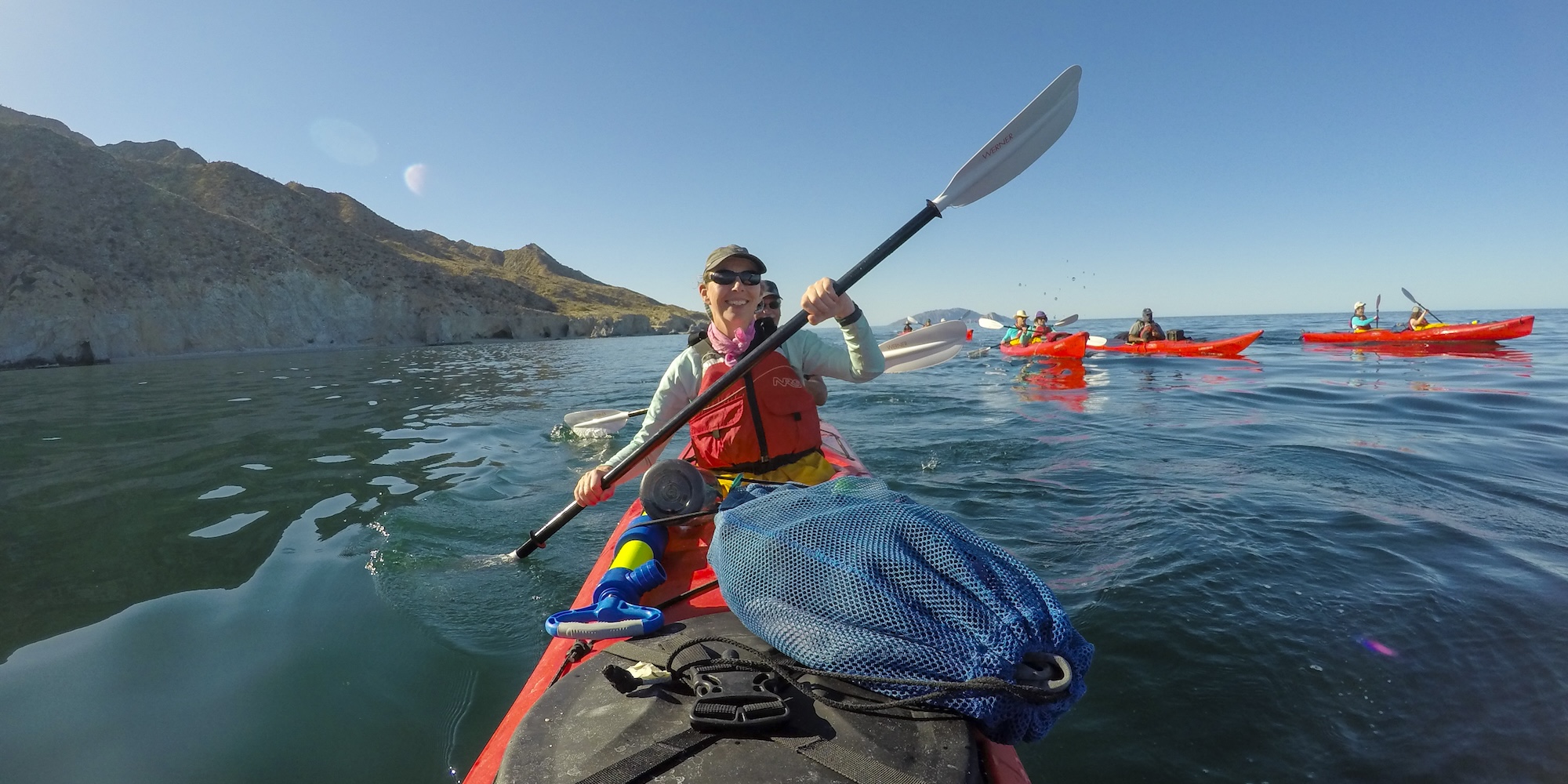
A self-support trip is perfect for:
- Those with past paddling or camping experience
- Adventurous travelers who want trip that feels like more of an expedition
- People who want to paddle hard and keep things minimal
- You're traveling with a small group
If everything above has you excited about the expedition, a self-supported trip can be an incredibly rewarding way to experience Baja. It might feel even more like an expedition than some of our other trips, and it offers the kind of challenge that leaves you feeling accomplished and maybe even with a fresh perspective on travel.
When a Panga-Supported Trip Might Be a Better Fit
If any of the following sound like you, a panga-supported trip might be a better fit:
- You’re looking for a little extra comfort at camp
- You have back or mobility concerns that make squatting or sleeping on thinner pads difficult
- You’d love to sip a cold drink after a long paddle on day 4
So, if you're looking for a lighter kayak and a few added comforts at camp, a panga-supported trip could be a great choice. It’s ideal for anyone who wants to enjoy the adventure of sea kayaking without giving up some of those luxuries along the way.
Still Have Questions?
We’re committed to transparency and helping you choose the trip that’s right for you so that you can head into your Baja adventure with confidence and have the best possible time. If you still have questions about the difference between self-support and panga support kayaking trips, we'd love to discuss what might be best for you. Our team knows the ins and outs of these adventures, and we’re ready to hep you pick the trip that fits your comfort level, experience, and goals.